COFS is a non-profit international health and human
rights organization committed to combating the trafficking of
humans for organs and ending the exploitation of the poor as a
source of organ and tissue supplies. COFS combines prevention, policy advocacy, and survivor support
through a comprehensive approach to combat organ trafficking. Join us today to volunteer, support survivors, and build the
movement.
TOP STORIES
Breaking News: After decades of grappling with definitions of death, Egypt passes a law on organ transplantation
16 February, 2010
After many final months of debate, both bodies of Egypt's legislative branch- the Advisory Council (Maglis El-Shura) and the People's Assembly (Maglis El-Sha'ab)- passed a law on organ transplantation. The law prohibits organ trafficking and permits organ donation from the deceased. Read more>>>
Emerging Cases of Organ Trafficking in the Middle East Attract Global Attention
12 October, 2009
AlJazeera (English) covers emerging cases of organ trafficking in the Middle East and consults with COFS' Director about the regional situation.
COFS Announces its Documentary Film- Organs SOS: a plea from the shadows
COFS Opposes Draft Legislation in the U.S. that would Permit Material Compensation for Organ Donation- June 2009
In recent months, Senator Arlen Specter (D-Pennsylvania) has circulated at least five drafts of a proposed bill which would enable U.S. government entities to provide material compensation for organ donation. The current draft of this bill commendably also includes clauses to combat organ
trafficking in an effort to distinguish regulated from unregulated organ markets. However, a
provision of material compensation to organ “donors” would dissolve a central feature ofthe National Organ Transplantation Act (NOTA) that prohibits the buying and selling of human organs for transplantation. COFS maintains the position that material incentives for organ donation lead to violations of human rights, and present ethical, social, strategic and economic problems.
Material incentives inevitably take unfair advantage of the poor and vulnerable who would
otherwise not consider resorting to a commercial living organ donation. Employing material
inducement to procure organs from a certain segment of a population may also damage society's
trust in medicine and transplantation and simultaneously undermine efforts to secure and
enhance altruistic donation. Accordingly, COFS is conducting a campaign to oppose this bill. COFS' Director Dr. Debra Budiani-Saberi and Board Member Deborah Golden published a white paper via the American Constitution Society for Law and Policy to elaborate this opposition. Read more>>>
COFS and the American University of Cairo (AUC) Partner to Enhance Civic Engagement in Transplants
COFS and AUC's Gerhart Center for Philanthropy and Civic Engagement have partnered in an effort to enhance civic engagement in improving transplant practices in Egypt. In addition to linking COFS to various support networks, the Gerhart Center is also networking AUC faculty, students and NGO partners to assist with COFS' awareness campaign about altruistic and deceased organ donation.
COFS Completes Assessment in Nepal- August 2008
COFS and its partners, the Nepal Institute of Development Studies (NIDS), completed an assessment of organ trafficking and its consequences on commercial living donors (CLDs). The study was conducted in Hokse, a rural village commonly referred to as "kidney village" for its reputation of housing victims of the black market trade in organs. Like COFS programs elsewhere, COFS and NIDS are using its findings to develop prevention and outreach services for victims in Nepal.
Hokse, a rural village in Nepal, is the site of COFS' recent assessment on the impact of organ trafficking in Nepal
NIDS Investigators Bishow Gurung (center) and Pramila Yonjan (right) conducted interviews in the homes of CLDs in Hokse (left)
COFS Advances it Collaborative Work with the Ulema
COFS has advanced collaborative projects with the Ulema (Islamic clerics) to combat organ trafficking. COFS and various groups of ulema are working towards operationalizing the ulema's influence to create awareness of fatawa (Islamic declarations) that deem the buying and selling of organs as haram (sinful) in the Islamic world. Projects are targeted for at-risk communities as well as the general public to address concerns around organ trafficking and transplants more generally.
.
Kabir Karim, COFS-Egypt Program Manager, and Sheikh Yasser plan collaboration of COFS with ulema leaders to combat organ trafficking
Representatives Convene and Announce the Istanbul Declaration On Organ Trafficking, Transplant Tourism and Transplant Commercialism- May 2008
The Transplantation Society (TTS) and International Society of Nephrology (ISN) convened an international summit of 152 participants from 78 countries from 30 April to 1 May 2008 in Istanbul, Turkey. Participants included medical and scientific professionals, representatives of governmental and social agencies, social scientists, legal scholars and ethicists. The Declaration of Istanbul on Organ Trafficking and Transplant Tourism is the result of these deliberations which received full consensus at the summit. This Declaration calls for a legal and professional framework in each country to govern organ donation and transplantation activities, a transparent regulatory oversight system that ensures donor and recipient safety and enforces the prohibitions of unethical practices. Governments should ensure that the provision of care and follow-up of living donors be no less than the care and attention provided for transplant recipients. Professional societies should not continue to enable membership status for those individuals that violate the principles of the Declaration. Pharmaceutical companies and public and private funding agencies must affirm the Declaration in their consideration of clinical research support. COFS' Director participated in the Istanbul summit and COFS has employed the Declaration in its work to combat organ trafficking.
UN Recognizes Organ Trafficking in its Global Initiative to Fight Trafficking (UNGIFT) -
February 2008
The UNODC paid recognition to the trafficking of humans for organs in its recent global forum to Fight Human Trafficking. Although this issue has been included in its Protocol against Human Trafficking, an unprecedented panel was hosted at the Vienna Forum in which experts reviewed various aspects of trafficking for the purpose of removal of organs, including a review of cases. Panelists included COFS' Director Dr. Debra Budiani, Captain Louis Helberg of the South African Police Service; Dr. Nancy Sheper-Hughes of the University of California, Berkeley USA, and Maria Amihan Valles Abueva of the ECPAT, Asia Against Child Trafficking (ASIA ACTs). Comments were made by Nicole Maric of the UNODC and Luc Noel of the WHO. The discussion addressed assessing the problem, the detection, investigation and prosecution of cases, as well as measures for prevention and outreach.
COFS Partners with AYB-SD to Enhance Economic Empowerment Outreach Services - February 2008
COFS and the Alashanek ya Baladi Association for Sustainable Development have partnered to enhance COFS' economic empowerment outreach services to its beneficiaries. Accordingly, AYB-SD will extend its programs to the CLDs and potential CLDs that COFS identifies and who have expressed their need to participate in such assistance programs.
COFS Partners with AYB-SD to Enhance Economic Empowerment Outreach Services - February 2008
COFS and the Alashanek ya Baladi Association for Sustainable Development have partnered to enhance COFS' economic empowerment outreach services to its beneficiaries. Accordingly, AYB-SD will extend its programs to the CLDs and potential CLDs that COFS identifies and who have expressed their need to participate in such assistance programs.
COFS Continues Efforts to Establish a National Transplantation Law in Egypt - May 2007
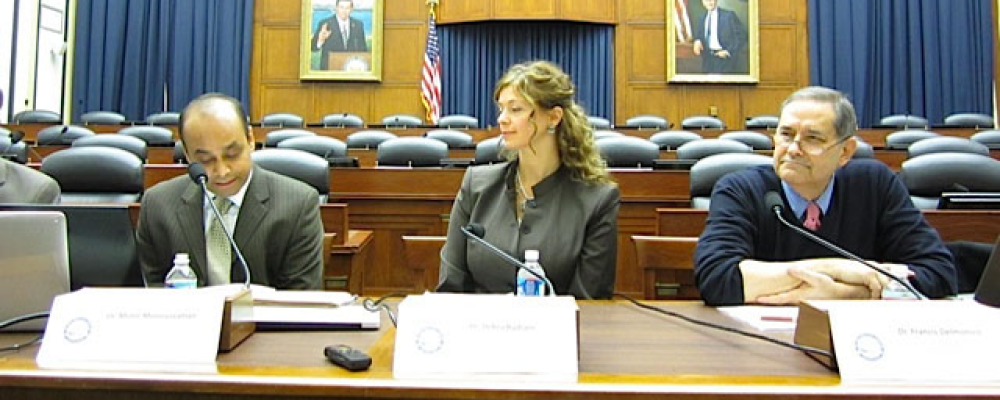
In addition to the facilitation of the Egyptian Strategic Group on Organ Transplants (ESGOT) to enhance the transplant legal structure in Egypt, COFS has expanded its efforts with other medical professional leaders who share this aim. In an allied effort with UNOS via its immediate past president, Dr. Francis Delmonico, COFS facilitated Dr. Delmonico's initial visit to Egypt to assess the potential for UNOS' provision of technical assistance in the development of an Egyptian registry for transplants. UNOS is considering providing this assistance upon the request of the Egyptian Society of Nephrology's (ESN) and Roche Pharmaceuticals. UNOS' assistance is also contingent upon the establishment of an appropriate legal framework for transplants- particularly a framework that prevents commercial living donorship and assures national oversight of transplant practices. Dr. Delmonico, a Professor of Surgery at Harvard University, is now the Director of Medical Affairs of the international Transplantation Society and an Advisor of Human Transplantation to the WHO. read more >>>
COFS Participates in Libyan Initiative to Advance Deceased Donation May 2007
In an effort to enhance national self-sufficiency in organ supplies and curb patients from resorting to transplant tourism, Libyan transplant officials commenced a national initiative to establish organ donation from the deceased. This effort followed the passing of a national law to permit deceased donation in Libya in March 2007. Dr. Ehtuish Farag Ehtuish, the Director of the Libyan National Transplantation program, organized a conference with transplant doctors in Libya to advance this initiative. read more >>>.
COFS Participates in WHO's Second Global
Consultation on Organ Transplants March 2007
In attendance with international experts
on organ transplants and trafficking, COFS' Executive
Director, Dr. Debra Budiani, was invited to take part in
theWorld Health Organization's (WHO) Second Global
Consultation onOrganTransplants. The group included
representatives from Africa, Asia, theMiddle East,
Europe and the Americas and worked to update WHO's
guidelineson transplants of organs, cells, and tissues
for theWorld Health Assembly (WHA) to review inMay
2008.
COFS Invited to Present its Work
and Study’s Findings at Regional WHO and MESOT
Meetings, Kuwait, November 2006
The Eastern Mediterranean Regional Office (EMRO) of the
World Health Organization (WHO) granted institutional
support to COFS for its work on combating organ
trafficking in the region. WHO and
COFS' share commitments to protecting the poor and
vulnerable from exploitation for human tissues and
organs as well as long-term follow up of living donors.
COFS Facilitates Pioneering Donor Support
Groups
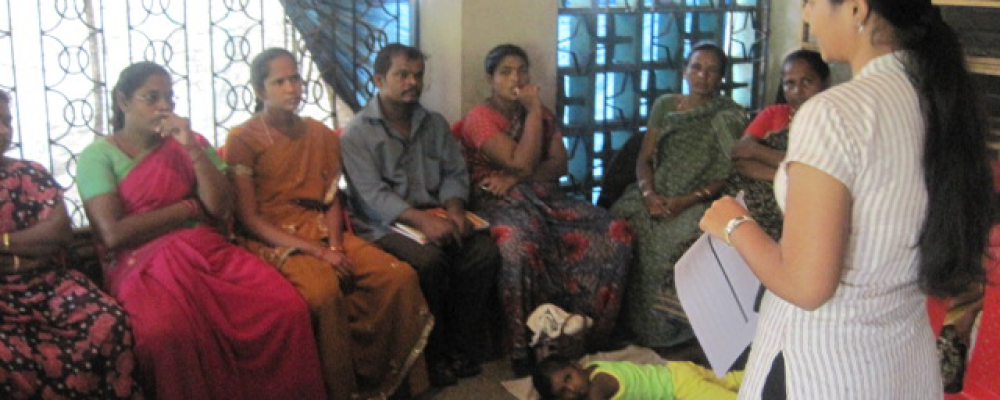
Beginning in July, 2006, COFS outreach
staff have facilitated support group meetings per the
request of commercial living organ donors and victims of organ
theft. Participants have ranged from those who
“donated” an organ 10 years ago to those who were still
in recovery from their donation. The meetings
provoked extensive narratives and discussion on
misconceptions about what the donation experience would
involve, donors’ fears of eventual health
outcomes, compromised ability to carry out labor-intensive
activities and
compromises in income, difficulties or inability of
explaining their experience to loved ones, and long-term
psychological distress from the donation. A
trained psychologist also provided group therapeutic
intervention and several participants requested private
therapy sessions. The meetings provide the first
chance for many commercial living organ donors to meet
other commercial living organ donors and obtain peer support
about their donation experiences.
COFS Expands Partnerships with Civil Society
Groups November 2006
COFS has recently expanded its
partnerships in Bahrain, India, Nepal, and Pakistan with
various civil society groups who share COFS Mission. Read More.
COFS and the Bahrain Center for Human Rights (BCHR) partner to address the situation of
transplants in Bahrain and the Gulf region.
Conditions of poor or no access to organs for transplant
facilitate the production of transplant tourism for
commercial living donorship as a human rights concern.
COFS and BCHR strategize to promote alternative sources
of organ supplies in Bahrain and the region to curb
transplant tourism for organs abroad, largely in Asia.
BCHR is a non-profit, non-governmental organization
committed to the promotion of democracy and the
protection of human rights. BCHR’s Vice President
Nabeel Rajab and Executive Director Dr. Debra Budiani
conducted meetings recently in Manama, Bahrain and
Bangkok, Thailand to establish the parternship and begin
developing a framework for advocacy.
COFS Invited
to Speak about COFS Outreach and Prevention Work at the
8th Annual Southwest Nephrology Conference (United
States) October 2006
COFS’ has been invited to speak about its donor outreach
services and prevention projects at the 8th Annual Southwest Nephrology Conference in
Phoenix, Arizona February 23 and 24, 2007. These meetings are sponsored by
the Arizona Kidney Foundation and the Mayo Clinic.
COFS’ Executive Director, Dr. Budiani will discuss
global trafficking of human organs and COFS work to
combat this problem and secure alternative sources of
organ and tissue supply policies.
COFS
Participates in Conference on Islam and Bioethics March 2006